

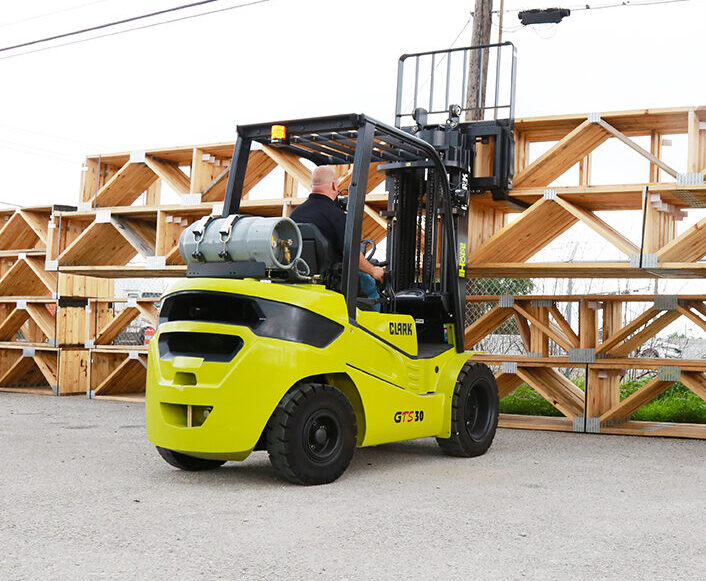
Industrial heavy equipment plays a pivotal role in the development and sustainability of modern infrastructure, manufacturing, and resource extraction. These powerful machines are the backbone of industries ranging from construction and mining to forestry and agriculture. By combining strength, precision, and efficiency, industrial heavy equipment enables businesses to perform tasks that would be otherwise impossible with manual labor alone.
Types of Industrial Heavy Equipment
Industrial heavy equipment comes in a wide array of machines designed for specific tasks. Understanding the different types helps industries choose the right machinery for their operations. The most common categories include:
- Construction Equipment: This category includes excavators, bulldozers, loaders, backhoes, and cranes. Excavators are essential for digging trenches, foundations, and other large-scale excavation projects. Bulldozers push large quantities of soil, sand, or debris, while loaders help in material handling and transport. Cranes, with their ability to lift and move heavy objects vertically and horizontally, are indispensable on construction sites.
- Mining Equipment: Mining operations require heavy-duty machines like draglines, continuous miners, and mining trucks. These machines are specifically designed to handle the rigors of extracting minerals, ores, and coal from beneath the earth’s surface. Industrial heavy equipment in mining must be durable and capable of operating in harsh conditions for extended periods.
- Forestry Equipment: Industrial heavy equipment also plays a critical role in forestry. Machines such as feller bunchers, skidders, and log loaders are used to cut, transport, and process timber efficiently. These machines improve safety and productivity in an industry where manual labor can be dangerous and time-consuming.
- Agricultural Equipment: While often less massive than construction or mining machines, industrial heavy equipment in agriculture—like tractors, harvesters, and plows—transforms the scale and efficiency of farming. Modern machinery allows for faster planting, harvesting, and soil management, contributing to higher yields and food security.
- Material Handling Equipment: Forklifts, conveyor systems, and telehandlers fall under this category. Material handling equipment streamlines operations in warehouses, manufacturing plants, and shipping facilities, enabling industries to move large volumes of goods with speed and precision.
Importance of Industrial Heavy Equipment
The impact of industrial heavy equipment on productivity, safety, and innovation is profound. Key benefits include:
- Increased Efficiency: Industrial heavy equipment allows tasks that would take weeks manually to be completed in days or even hours. For example, a modern excavator can dig hundreds of cubic meters of soil in a single day, far beyond human capability.
- Enhanced Safety: By reducing the reliance on manual labor for hazardous tasks, industrial heavy equipment minimizes workplace injuries. Machines are designed with safety features such as reinforced cabins, automatic controls, and emergency shut-off systems to protect operators.
- Cost Reduction: Although industrial heavy equipment represents a significant upfront investment, it often reduces operational costs in the long term by minimizing labor requirements, increasing work speed, and reducing errors.
- Precision and Quality: Modern machines come with advanced technology like GPS guidance systems, sensors, and automation capabilities, ensuring tasks are completed with high accuracy. In industries like construction and mining, precision is crucial for structural integrity and resource optimization.
Technological Advancements in Industrial Heavy Equipment
The evolution of industrial heavy equipment has been driven by technological innovation. Modern machines are no longer just mechanical—they are becoming increasingly intelligent and connected. Some notable advancements include:
- Automation and Robotics: Autonomous construction and mining equipment are revolutionizing the industry. Self-driving trucks, automated excavators, and robotic cranes reduce the need for human intervention while increasing productivity and precision.
- Telematics and IoT: Industrial heavy equipment is now often equipped with telematics systems that track machine performance, fuel consumption, maintenance schedules, and location. This data helps companies optimize operations, predict maintenance needs, and reduce downtime.
- Sustainable Machinery: Environmental concerns have led to the development of electric and hybrid industrial heavy equipment. Machines powered by clean energy reduce greenhouse gas emissions, lower fuel costs, and contribute to sustainable industrial practices.
- Advanced Materials and Design: Modern heavy equipment uses high-strength steel, composites, and lightweight alloys to improve durability without sacrificing efficiency. Ergonomically designed operator cabins also enhance comfort, reducing fatigue during long working hours.
Industrial Heavy Equipment in Global Infrastructure
Industrial heavy equipment is indispensable for building the infrastructure that drives economic growth. Roads, bridges, airports, and railways all rely on these machines for construction and maintenance. For example, bulldozers and graders are critical in road construction, while cranes and loaders are essential for bridge building. In urban development, high-rise buildings and commercial complexes are erected using cranes, concrete mixers, and pile drivers, all forms of industrial heavy equipment.
Mining and resource extraction industries also depend on heavy machinery. From extracting iron ore to harvesting coal, these machines enable countries to access natural resources efficiently and safely. Additionally, forklift rentals near New Berlin equipment contributes to energy infrastructure, such as the installation of wind turbines, pipelines, and hydroelectric plants.
Maintenance and Safety Considerations
Proper maintenance is crucial to extend the lifespan of industrial heavy equipment and ensure operational safety. Regular inspections, timely replacement of worn parts, and adherence to manufacturer guidelines are essential practices. Preventive maintenance not only prevents costly breakdowns but also safeguards operators and nearby workers from potential accidents.
Safety training is another critical aspect. Operators must be trained to handle machinery properly, understand safety protocols, and respond effectively to emergencies. Many industries now integrate virtual reality (VR) and simulators in training programs, allowing operators to gain experience without risk.
Challenges Facing Industrial Heavy Equipment
Despite its advantages, industrial heavy equipment comes with challenges:
- High Capital Costs: Purchasing and maintaining heavy machinery can be expensive, especially for small businesses. Leasing options and equipment rentals have become popular solutions.
- Environmental Impact: Heavy machinery traditionally relies on fossil fuels, contributing to pollution and carbon emissions. Transitioning to greener alternatives remains a challenge for many industries.
- Skill Shortages: Operating advanced industrial heavy equipment requires specialized training. A shortage of skilled operators can limit productivity and affect project timelines.
- Regulatory Compliance: Industries must adhere to strict safety and environmental regulations. Compliance requires continuous monitoring, proper documentation, and investment in compliant equipment.
The Future of Industrial Heavy Equipment
The future of industrial heavy equipment is promising, driven by automation, sustainability, and digital integration. Key trends include:
- Autonomous Machines: Self-operating excavators, trucks, and cranes will become more widespread, reducing labor dependency and enhancing precision.
- Electrification: Electric and hybrid machines will dominate as industries aim to reduce emissions and meet sustainability targets.
- Smart Equipment: Artificial intelligence (AI) and machine learning will optimize operations, maintenance schedules, and resource allocation.
- Global Collaboration: Manufacturers are increasingly focusing on global markets, producing machinery adaptable to diverse terrains and industrial needs.
In conclusion, industrial heavy equipment is more than just machinery—it is the driving force behind modern industry, infrastructure, and economic growth. With continued technological innovation, improved safety, and a shift toward sustainability, these machines will remain indispensable tools for industries worldwide. As industries evolve, the role of industrial heavy equipment will expand, powering efficiency, productivity, and innovation across the globe.