

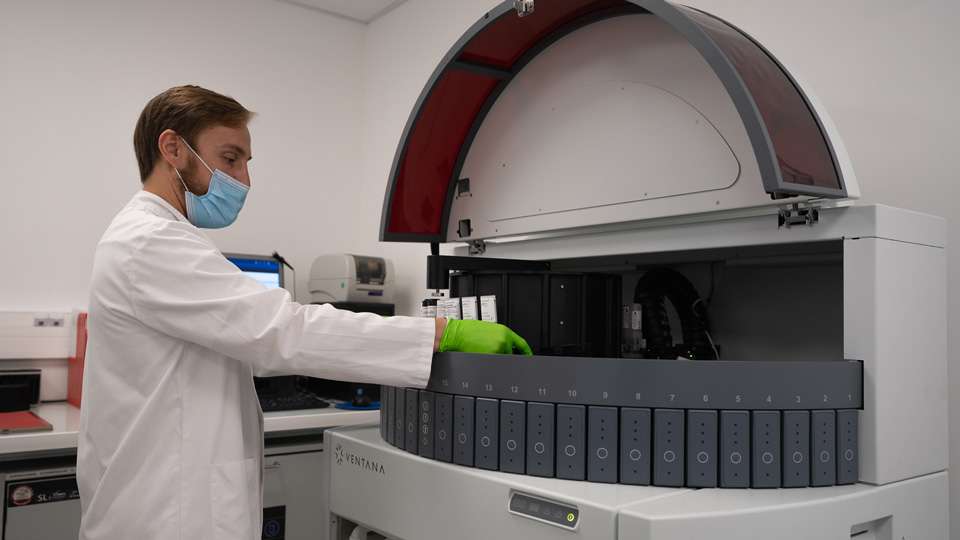
In the ever‑evolving landscape of pharmaceutical research and drug development, accurate and reliable biomarker analysis is essential. Among the most critical technologies used today is Immunohistochemistry (IHC) — a powerful method for identifying specific proteins in tissue samples. When combined with Contract Research Organization (CRO) expertise, IHC becomes an indispensable tool for translational research, oncology studies, and clinical trials. This is where IHC CRO services make a meaningful impact.
This article explores what IHC CRO services are, how they support drug discovery and development, why they are vital to modern research, and how to choose the right provider for your needs.
What Are IHC CRO Services?
IHC CRO services refer to specialized laboratory offerings provided by Contract Research Organizations that focus on immunohistochemistry analysis. At its core, IHC is a laboratory technique that uses antibodies to detect antigens (proteins) in tissue sections. This technique allows researchers to visualize protein expression within the context of tissue architecture, giving unparalleled insights into disease mechanisms, therapeutic targets, and treatment responses.
A CRO that offers IHC services supports pharmaceutical companies, biotech firms, and academic institutions by conducting IHC testing on behalf of clients. These services typically include:
- Tissue processing and sectioning
- Assay optimization and validation
- Antibody selection and titration
- Staining and imaging
- Quantitative interpretation and reporting
- Data management and quality control
By outsourcing these tasks to experts, sponsors can access cutting‑edge technology without the expense and complexity of building in‑house capabilities.
Why Are IHC CRO Services Important?
1. Biomarker Identification and Validation
Biomarkers are measurable indicators of biological function or disease state. They are foundational in drug discovery, especially in oncology and immunotherapy. IHC enables precise identification of protein biomarkers within tissue samples, providing insights into:
- Target expression levels
- Tumor heterogeneity
- Immune cell infiltration
- Pathway activation
CROs with IHC expertise can help validate biomarkers that predict therapeutic response, guide patient selection for clinical trials, and support regulatory submissions.
2. Translational Research Support
Translational research bridges basic science and clinical applications. IHC CRO services help researchers connect laboratory discoveries with real‑world patient outcomes. By analyzing protein expression patterns in preclinical models and human tissues, CROs facilitate:
- Mechanistic understanding of disease
- Target engagement evaluation
- Comparative analysis across species
This accelerates the transition from preclinical findings to clinical hypotheses.
3. Clinical Trial Assistance
In modern clinical trials — especially in precision medicine — tissue‑based biomarkers are increasingly used as endpoints. IHC CRO services contribute by:
- Standardizing assays across multiple sites
- Ensuring reproducible results for large sample sets
- Providing centralized scoring and interpretation
These functions reduce variability, improve data integrity, and enhance trial efficiency.
4. Regulatory Compliance and Quality Assurance
Regulatory agencies such as the FDA and EMA demand rigorous validation and documentation for biomarker assays. IHC CROs implement quality systems that adhere to regulatory standards like:
- Good Laboratory Practice (GLP)
- ISO 9001 / ISO 17025
- Standard Operating Procedures (SOPs)
By doing so, they mitigate risk and strengthen regulatory submissions.
Key Components of High‑Quality IHC CRO Services
For a successful partnership with an IHC CRO provider, certain core capabilities are essential:
1. Assay Development and Optimization
Not all antibodies or tissues behave the same. Effective IHC learn here include assay development — optimizing antibody concentrations, detection systems, and antigen retrieval methods to ensure accurate staining and minimal background noise.
2. Digital Pathology and Image Analysis
Modern CROs use advanced digital imaging platforms to capture high‑resolution slides. These tools, combined with image analysis algorithms, allow for:
- Automated quantification of staining
- Cell segmentation and phenotype classification
- Objective scoring of complex tissue features
This improves accuracy and reproducibility over traditional manual interpretation.
3. Multiplex IHC and High‑Throughput Screening
Emerging techniques such as multiplex IHC permit simultaneous detection of multiple biomarkers on a single tissue section. This enables sophisticated analysis of tumor microenvironments and immune landscapes, which is particularly valuable in immuno‑oncology research.
4. Expert Scientific Consultation
Top CROs don’t just perform assays — they provide strategic guidance. Whether a client needs help selecting targets, interpreting complex results, or designing validation strategies, expert consultation adds significant value.
Choosing the Right IHC CRO Provider
When evaluating potential partners for IHC CRO services, consider the following factors:
1. Technical Expertise and Track Record
Review the provider’s experience in relevant therapeutic areas. Oncology, neuroscience, cardiovascular, and immunology studies may require specialized skills. Previous success with similar projects indicates reliability.
2. Quality Standards and Certifications
Ensure the CRO adheres to recognized quality systems and can support regulatory submissions. Accreditation such as GLP compliance and ISO certifications demonstrates commitment to quality.
3. Flexibility and Customization
Every project is unique. A strong IHC CRO will tailor workflows, reporting formats, and turnaround times to meet specific project requirements.
4. Communication and Transparency
Clear communication during project planning, execution, and data delivery is essential. Clients should expect regular updates and accessible scientific contacts.
Future Trends in IHC CRO Services
The field of IHC and CRO support is expanding rapidly with innovations such as:
- Artificial Intelligence (AI) for image interpretation
- Spatial biology workflows to contextualize biomarkers
- Automated staining platforms for higher throughput
- Cloud‑based data sharing and analytics
These advancements will continue to enhance the insights derived from tissue‑based assays and further integrate IHC into precision medicine.
Conclusion
In a research environment driven by precise data and translational relevance, IHC CRO services play a vital role in enabling scientific discoveries that translate into effective therapies. From biomarker discovery to clinical trial support, these services provide the technical expertise, quality assurance, and analytical depth needed to accelerate drug development.
By choosing the right IHC CRO partner, organizations can leverage powerful histological techniques without the overhead of in‑house infrastructure, ensuring efficient, compliant, and personalized support throughout the research journey.
If you’re exploring ways to enhance your research outcomes, integrating specialized IHC CRO services into your strategy could be a pivotal step toward achieving faster, more reliable results.