

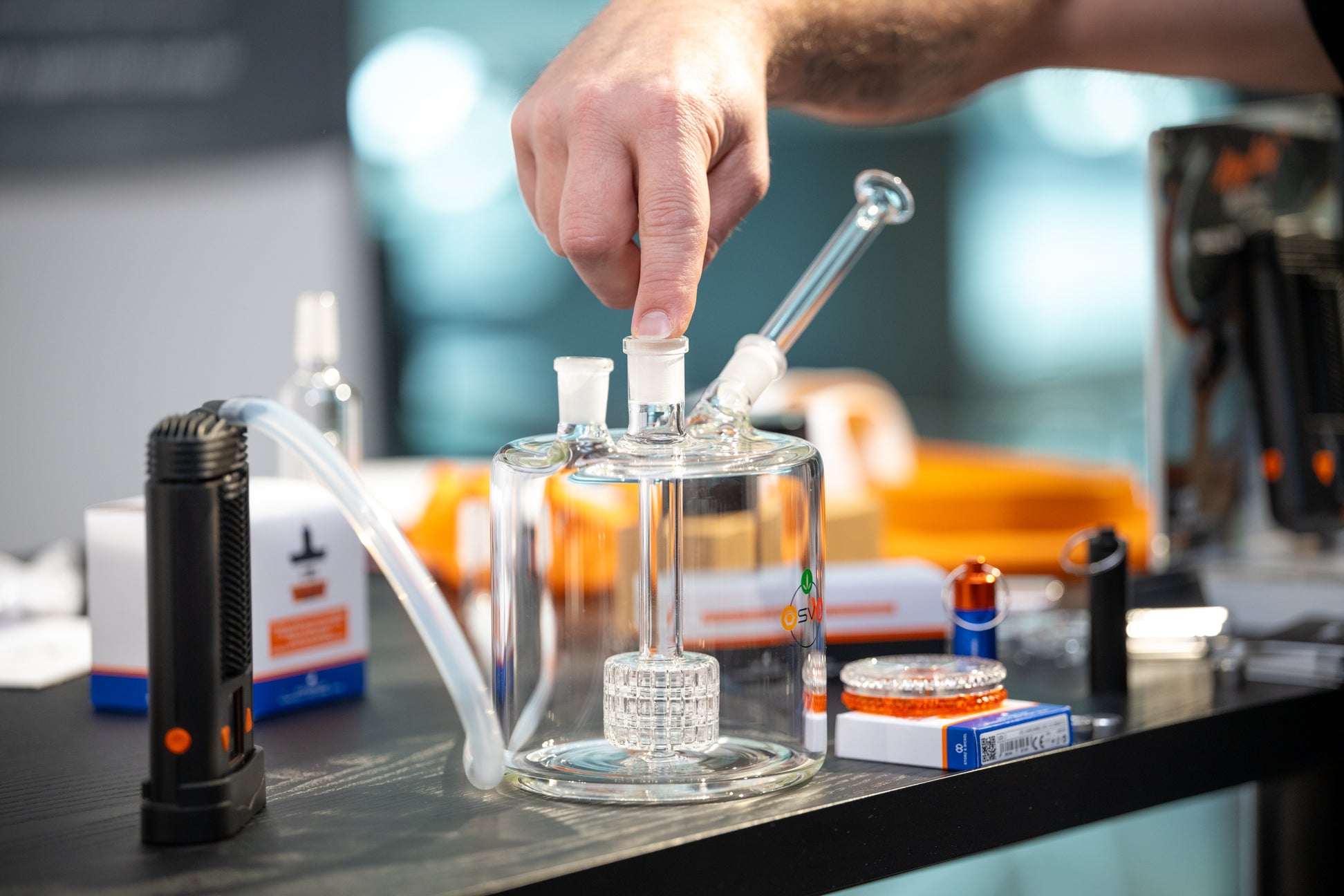
Dry herb vaporizers have become a popular alternative to traditional smoking methods because they heat herbs without burning them. Instead of producing smoke through combustion, vaporizers generate vapor by heating plant material to a precise temperature that releases active compounds. Understanding how dry herb vaporizers work involves exploring the science of heat, vaporization, and plant chemistry.
The Basic Principle of Vaporization
At the core of every dry herb vaporizer is the process of vaporization. Vaporization occurs when a substance is heated to a temperature where its active compounds evaporate into vapor but the plant material itself does not burn. Combustion typically happens at temperatures above 230–250°C (446–482°F), which produces smoke, ash, and harmful by-products such as tar and carbon monoxide.
Dry herb vaporizers operate at lower temperatures, usually between 160°C and 220°C (320°F to 428°F). Within this range, the active compounds in herbs—such as essential oils and aromatic molecules—turn into vapor that can be inhaled. Because the plant material is not burned, fewer toxic by-products are produced compared to smoking.
The Main Components of a Dry Herb Vaporizer
A dry herb vaporizer consists of several key components that work together to create vapor:
-
Heating Element
The heating element is the part responsible for generating heat. It is usually made from materials like ceramic, stainless steel, or quartz because they can withstand high temperatures and distribute heat efficiently. -
Herb Chamber (Oven)
The herb chamber is where the ground herb is placed. When the vaporizer is turned on, the heating element warms the chamber and gradually heats the plant material. -
Temperature Control System
Most modern vaporizers include digital temperature controls. This allows users to choose specific temperatures depending on the compounds they want to release. Lower temperatures often produce smoother vapor and stronger flavor, while higher temperatures release denser vapor and stronger effects. -
Airflow Path
The airflow system pulls hot air through the heated herbs, helping extract the active compounds. The vapor then travels through a mouthpiece where the user inhales it. -
Battery or Power Source
Portable vaporizers typically use rechargeable lithium-ion batteries, while desktop models may plug directly into a power outlet.
Two Main Heating Methods
Dry herb vaporizers usually rely on one of two heating techniques: conduction or convection.
Conduction Heating
Conduction vaporizers heat herbs through direct contact with a hot surface. The herb chamber becomes hot, and the plant material touching the surface begins to release vapor. This method is efficient and allows vaporizers to heat up quickly. However, if the herb is not stirred occasionally, some parts may heat more than others.
Convection Heating
Convection vaporizers heat herbs by passing hot air through the plant material. Instead of touching a hot surface, the herbs are heated evenly by the moving air. This method often produces more consistent vapor and better flavor because the herbs are heated more evenly. However, convection vaporizers can sometimes take longer to reach the desired temperature.
Some advanced devices combine both conduction and convection heating to balance efficiency and vapor quality.
The Role of Plant Compounds
Herbs contain compounds known as volatile molecules. These include essential oils, terpenes (which give herbs their aroma), and other active substances. Each compound has a specific boiling point. For example, certain aromatic compounds vaporize at lower temperatures, while others require higher heat.
By adjusting the temperature on a vaporizer, users can influence which compounds are released first. This is why temperature control is such an important feature—it allows a more customized experience.
Why Vapor Is Different from Smoke
Smoke is created when plant material burns and breaks down chemically through combustion. This process produces thousands of chemical by-products, many of which are harmful. Vapor, in contrast, is created when compounds evaporate without burning the plant material. Because vaporization avoids combustion, it typically contains fewer harmful substances.
Conclusion
Dry dry herb vaporizer australia work by applying controlled heat to herbs, releasing their active compounds as vapor instead of smoke. Through carefully designed components, precise temperature control, and advanced heating methods like conduction and convection, vaporizers provide a cleaner and more efficient way to enjoy herbs. The science behind vaporization explains why these devices have gained popularity among people seeking a smoother and more controlled herbal experience.