

Heating, ventilation, and air conditioning (HVAC) systems play a crucial role in maintaining comfort, indoor air quality, and energy efficiency in residential and commercial buildings. Proper HVAC installation ensures that your system operates efficiently, lasts longer, and provides consistent comfort throughout the year. Understanding the installation process and key considerations can save homeowners and businesses from costly mistakes.
Understanding HVAC Systems
An HVAC system typically consists of a furnace or heat pump, air conditioner, ductwork, and thermostat. Each component has a specific function: the furnace or heat pump provides heating, the air conditioner manages cooling, ductwork distributes air throughout the building, and the thermostat controls the system based on desired temperature settings. Proper installation ensures that all these components work harmoniously to maintain an optimal indoor environment.
Importance of Professional HVAC Installation
While some may consider DIY installation to save costs, professional HVAC installation is highly recommended. Improper installation can lead to inefficient energy use, frequent breakdowns, and even voided manufacturer warranties. Certified technicians are trained to follow manufacturer specifications, handle refrigerants safely, and ensure proper airflow and electrical connections.
Steps in HVAC Installation
-
System Assessment and Planning
Before installation, a professional will assess your building’s size, layout, insulation, and existing ductwork. They perform a load calculation, known as a Manual J calculation, to determine the appropriate size of the system. Choosing the right system size is critical—an oversized system can short-cycle, wasting energy, while an undersized system may struggle to maintain comfort. -
Selecting the Right Equipment
Based on the assessment, homeowners or building managers choose the HVAC unit that meets their needs and budget. Modern systems often include energy-efficient models with advanced features such as variable-speed fans, smart thermostats, and eco-friendly refrigerants. Ensuring that the chosen unit is compatible with your space and ductwork is essential. -
Ductwork Installation or Modification
Properly designed and sealed ductwork is vital for distributing heated or cooled air efficiently. During HVAC installation, technicians may install new ducts or modify existing ones to eliminate leaks and optimize airflow. Well-sealed ducts improve indoor air quality and reduce energy consumption. -
Positioning and Installing the Units
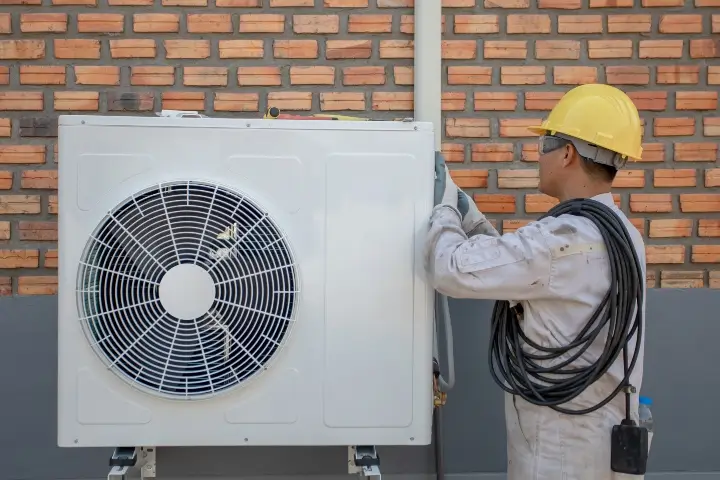
The indoor unit, such as a furnace or air handler, is typically placed in a basement, attic, or utility closet. The outdoor unit, usually a condenser or heat pump, must be placed on a stable, level surface with adequate clearance for airflow and maintenance. Technicians connect refrigerant lines, electrical wiring, and drain lines, ensuring compliance with safety standards. -
System Integration and Thermostat Setup
Modern HVAC systems often integrate with smart thermostats or home automation systems. During installation, technicians configure thermostats, calibrate sensors, and ensure that all components communicate correctly. Proper setup allows for precise temperature control and energy-efficient operation. -
Testing and Commissioning
Once the installation is complete, the system undergoes rigorous testing. Technicians check refrigerant levels, airflow, electrical connections, and system performance. They also verify that the thermostat responds accurately and that the system maintains the desired temperature. This final step ensures reliability and efficiency from day one.
Maintenance Considerations
Even with professional installation, regular maintenance is essential to keep your HVAC system running smoothly. Tasks such as changing air filters, cleaning coils, inspecting ducts, and checking refrigerant levels prolong the system’s lifespan and maintain energy efficiency. Many technicians offer maintenance plans to schedule these services automatically, reducing the risk of unexpected breakdowns.
Benefits of Proper HVAC Installation
Investing in professional HVAC installation provides numerous advantages:
-
Energy Efficiency: Properly installed systems consume less energy, reducing utility bills.
-
Longevity: Correct installation minimizes wear and tear, extending the life of the system.
-
Comfort: Balanced airflow ensures consistent temperatures throughout the building.
-
Reliability: Fewer breakdowns and reduced emergency repair needs.
-
Safety: Proper handling of refrigerants, electrical connections, and ventilation reduces hazards.
Conclusion
A successful hvac care is more than just placing units in the right location. It requires careful planning, precise measurements, proper equipment selection, and skilled execution. By investing in professional installation and routine maintenance, homeowners and businesses can enjoy reliable performance, optimal comfort, and energy savings for years to come. When choosing an HVAC system, always prioritize quality installation—your comfort and wallet will thank you.