

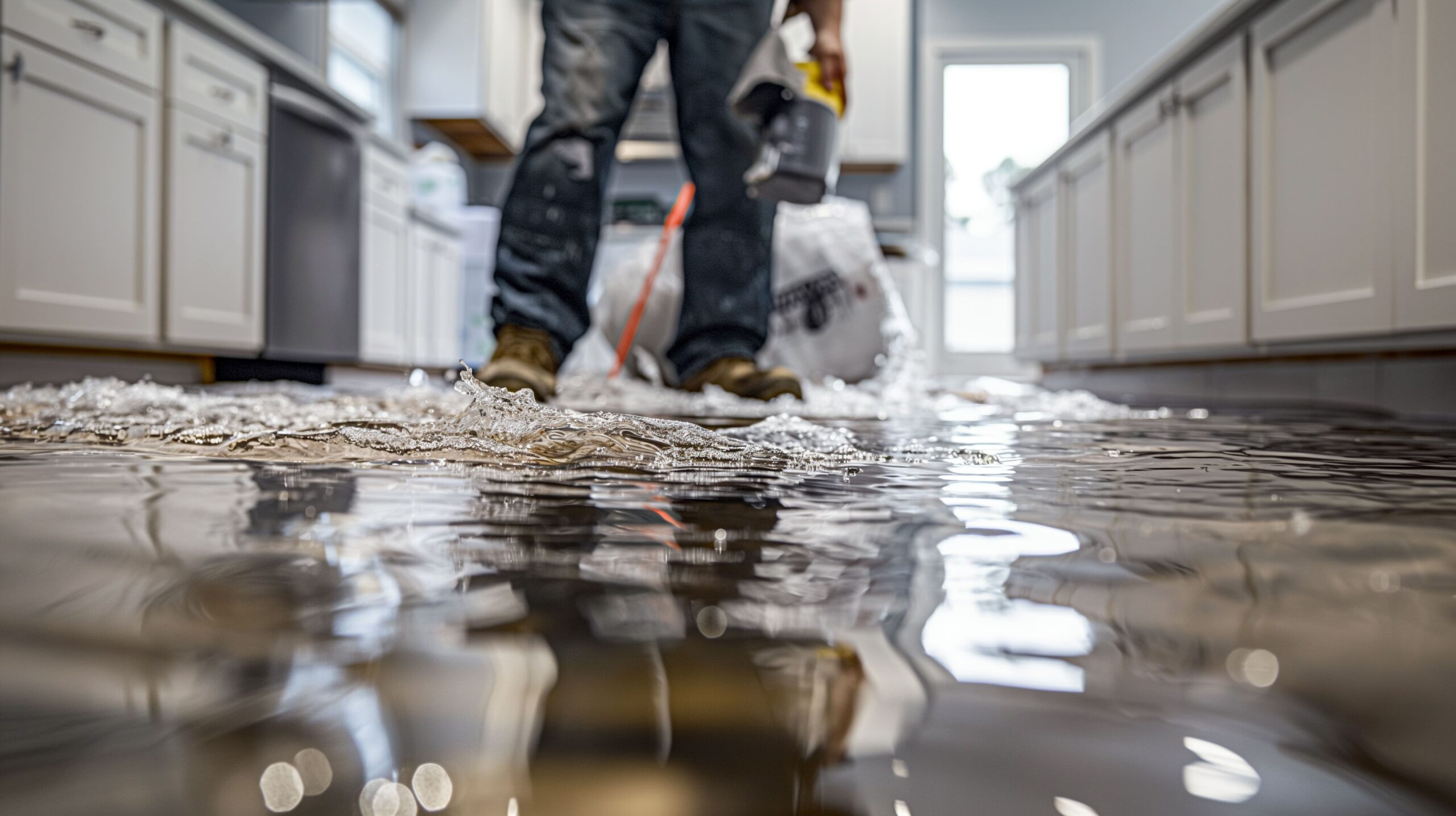
When you’re dealing with water damage, it’s what you can’t see that can cause the most harm. That’s why restoration companies rely on infrared cameras and moisture sensors to uncover hidden issues and get to the root of the problem. These advanced tools allow them to detect temperature anomalies, measure moisture levels, and track the drying process with precision. By using infrared and moisture sensors, restoration companies can respond quickly and effectively to water damage. But how exactly do these technologies work together to ensure a safe and restored living environment?
Detecting Hidden Water Damage
Detecting hidden water damage is crucial in preventing costly repairs and maintaining a safe living space.
You can’t always see water damage, but it can be lurking behind walls, under floors, or in ceilings. If left unchecked, it can lead to structural issues, mold growth, and even health problems.
You need to be proactive in identifying potential water damage. Look for signs like peeling paint, warping floors, or discoloration on ceilings.
Musty odors or unexplained sounds can also indicate hidden water and restoration damage.
Infrared cameras are valuable tools in detecting hidden water damage. They can identify temperature differences in surfaces, which can indicate moisture presence.
Moisture sensors can also detect moisture levels in building materials. By using these tools, you can pinpoint areas that require further investigation and take prompt action to address the issue.
Early detection is key to preventing further damage and ensuring a safe living environment.
Locating Sources of Moisture
Since you’ve identified potential water damage, it’s essential to locate the source of moisture to prevent further damage.
Infrared cameras and moisture sensors are invaluable tools in this process.
By using these devices, you can pinpoint the exact location of the moisture intrusion, even when it’s not visible to the naked eye.
Infrared cameras detect temperature differences between wet and dry areas, allowing you to visualize the moisture patterns.
This helps you identify the source of the moisture, whether it’s a leaky pipe, a faulty roof, or a condensation issue.
Moisture sensors, on the other hand, provide precise readings of the moisture levels in various materials, such as drywall, wood, or carpet.
By taking readings in multiple areas, you can determine the extent of the moisture damage and track the moisture migration.
This information enables you to develop an effective plan to repair and restore the affected areas.
Monitoring the Drying Process
You’ve pinpointed the source of moisture intrusion and developed a plan to repair and restore the affected areas.
Now it’s time to monitor the drying process to ensure it’s progressing as expected. Infrared cameras and moisture sensors are essential tools in this phase.
They help you track the moisture levels in the affected areas, identify any potential issues, and adjust your drying strategy accordingly.
As you monitor the drying process, you’ll use your infrared camera to detect temperature anomalies that could indicate hidden moisture.
This is especially important in areas like walls, ceilings, and floors, where moisture can hide behind surfaces.
Your moisture sensors will provide precise readings of the moisture levels in various materials, helping you determine if the drying process is on track.
Improving Restoration Efficiency
One key benefit of using infrared cameras and moisture sensors is that they can significantly improve restoration efficiency.
You’ll be able to identify areas that require attention more quickly, reducing the time spent on manual inspections. This enables you to prioritize tasks, allocate resources more effectively, and complete projects faster.
Infrared cameras help you detect hidden moisture, allowing you to target specific areas and avoid unnecessary demolition or repairs.
Enhancing Data-Driven Decision Making
By leveraging infrared cameras and moisture sensors, you’re not only streamlining your restoration process but also gathering valuable data to inform your decision-making.
This data provides a clearer understanding of the extent of water damage, allowing you to create more accurate estimates and reduce the risk of costly surprises down the line. With this information, you can also identify areas where your process can be improved, optimizing your workflow and reducing project timelines.
Infrared cameras, for instance, can detect subtle temperature changes that may indicate hidden moisture issues.
Moisture sensors, on the other hand, provide precise readings of moisture levels in various materials. By combining this data, you can pinpoint the source of water damage and track the effectiveness of your drying efforts.
This level of insight enables you to make data-driven decisions, ensuring that your restoration projects are completed efficiently and effectively. By integrating infrared and moisture sensor data into your workflow, you’ll be better equipped to manage risk, reduce costs, and deliver high-quality results to your clients.
Conclusion
You’ve seen how restoration companies utilize infrared cameras and moisture sensors to detect hidden water damage, locate sources of moisture, and monitor the drying process. By leveraging these technologies, you can ensure a safe and restored living environment. With accurate data, you can make informed decisions, allocate resources efficiently, and complete projects quickly. By embracing these innovative tools, you’ll be able to tackle even the most complex restoration projects with confidence.