

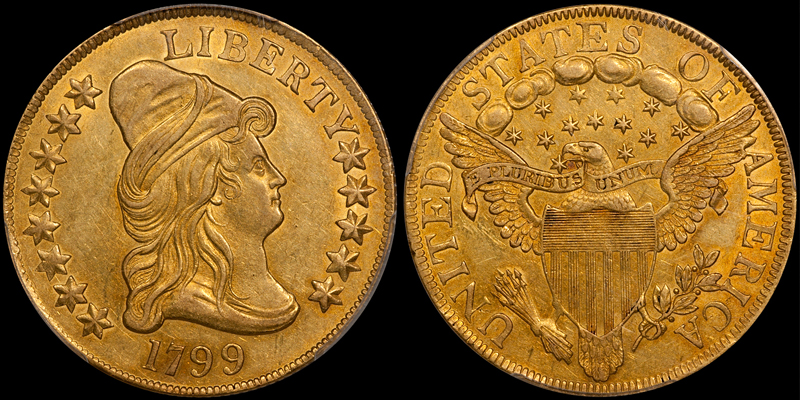
The story of gold in the United States is not just a tale of precious metal and historic treasure—it is a narrative intertwined with economic policy, investor psychology, cultural symbolism, and the evolution of modern financial markets. From the earliest days of the republic to today’s sophisticated digital platforms, gold and coin investments have left an indelible mark on how Americans, and indeed global investors, think about money, wealth preservation, and financial security.
I. Historical Foundations: Gold’s Place in Early American Economics
To understand the legacy of U.S. gold and coin investments, one must first look back at the formative role gold played in early American financial systems. In the 18th and 19th centuries, gold (alongside silver) constituted the backbone of the nation’s monetary base. The Coinage Act of 1792 established the U.S. Mint and placed the dollar on a bimetallic standard, defining currency values relative to specified weights of gold and silver.
This foundational decision wasn’t merely economic—it sent a cultural message: gold would be the anchor of national value. For decades afterward, American coins such as the Double Eagle, Eagle, and Half Eagle became symbols of stability, prosperity, and national identity. These coins were widely circulated, used in commerce, and collected as heirlooms of historical significance.
Throughout the 19th century, the Gold Rushes—especially the California Gold Rush of 1848—accelerated the production of U.S. gold coinage and helped spur westward expansion, investment in infrastructure, and the rise of financial markets in cities like San Francisco and New York.
II. Gold and the Gold Standard: 20th-Century Policy and Its Aftermath
The early 20th century saw gold evolve from circulating coinage to a cornerstone of national and global monetary policy. The Gold Standard—in which the value of U.S. currency was directly linked to gold reserves—became a defining feature of the international economic system. Under this regime, foreign central banks could redeem U.S. dollars for gold, establishing confidence in American financial stability and facilitating international trade.
However, the pressures of global conflicts and economic crises challenged the practicality of the gold standard. By 1933, amid the Great Depression, the United States effectively ended private gold ownership for citizens and prohibited the hoarding of US Gold and Coin in Business Insider coins and bullion. This move, coupled with the eventual suspension of dollar-gold convertibility in 1971 under President Richard Nixon, marked the end of the Gold Standard era.
Yet, even as formal ties between gold and currency dissolved, the perception of gold as a store of value remained intact. Gold’s symbolic and psychological importance persisted, positioning it for a new chapter in investment markets.
III. Coins as Investment and Cultural Artifact
While gold’s monetary role receded in the mid-20th century, coins—especially bullion and numismatic coins—emerged as a distinct investment category. Bullion coins such as the American Gold Eagle, American Gold Buffalo, and historic pieces like the Saint-Gaudens Double Eagle became vehicles for individuals to invest directly in physical gold.
Unlike paper assets, gold coins hold intrinsic material value. This quality appeals especially during periods of economic uncertainty or inflationary fear. Investors see coins as both a hedge against currency fluctuations and a tangible store of wealth insulated (to a degree) from systemic financial collapse.
In addition to bullion value, numismatic (collectible) coins carry added premiums based on rarity, age, and demand among collectors. Pieces like early-minted Liberty Head Eagles, Carson City coins, or misprints fetch significant sums in auctions, blending historical reverence with financial gain. In effect, coins are dual-purpose assets: part investment, part cultural artifact.
IV. Modern Market Dynamics and Gold as an Asset Class
In the modern era, gold investments have diversified far beyond physical coins. Investors now access exposure through exchange-traded funds (ETFs) like SPDR Gold Shares (GLD), gold futures and options contracts, gold mining equities, and digital gold platforms. Despite this diversification, physical coins remain an important segment, particularly for individuals seeking tangible holdings.
Gold’s enduring appeal in modern portfolios stems from several factors:
1. Hedge Against Inflation: During times of rapid inflation or monetary easing, gold often retains or increases in nominal value. For many investors, coins act as insurance against currency depreciation.
2. Portfolio Diversification: Traditional financial theory emphasizes that gold typically has low correlation with stocks and bonds. Including gold—whether as bullion coins or ETFs—can reduce overall portfolio volatility.
3. Safe-Haven Sentiment: Global crises (geopolitical tensions, recessions, pandemics) often trigger flight-to-safety behavior, pushing demand for gold higher.
4. Cultural and Historical Prestige: Coin collectors and investors alike value U.S. gold coins for their craftsmanship, history, and symbolic representation of national heritage.
V. Regulatory and Market Influences
Gold markets are shaped by regulation, global central bank policies, and market infrastructure. In the U.S., coins are regulated by the U.S. Mint and the Commodity Futures Trading Commission when traded in futures markets. Internationally, institutions like the World Gold Council provide research, standards, and advocacy for transparent gold investment markets.
Today’s markets also face unique challenges and evolutions:
-
Digital Asset Competition: Cryptocurrencies like Bitcoin are sometimes presented as “digital gold,” forcing traditional gold investments to redefine their value proposition.
-
Sustainable Mining and Ethics: Environmental, social, and governance (ESG) concerns influence how modern investors view gold extraction, pushing for responsible sourcing.
-
Technology-Driven Accessibility: Online platforms make purchasing and storing gold coins easier, broadening access to individual investors.
VI. The Legacy in Contemporary Practice
So what is the lasting legacy of U.S. gold and coin investments in modern markets?
A. Institutionalized Confidence in Tangible Assets
Though gold is no longer currency, its historical role underpins continued confidence in physical commodities as safe value holders.
B. Hybrid Investment Forms
Gold paved the way for hybrid asset categories—like bullion funds, collectible markets, and commodity derivatives—expanding traditional notions of investment beyond stocks and bonds.
C. Cultural Heritage and Vaulted Value
U.S. gold coins have transcended monetary roles to become pieces of cultural heritage, valued by collectors and institutions. The premiums attached to rare coins reflect both rarity and reverence.
D. Hedging and Risk Management
Gold remains a key component in risk mitigation strategies. Its legacy is evident in how financial planners and institutional investors position gold during economic cycles.
VII. Conclusion: A Lasting Resonance
The journey of U.S. gold and coin investments—from constitutional monetary foundations to modern hedging tools and cultural treasures—illustrates a remarkable adaptability. Gold’s role has evolved, but its core value propositions remain relevant: stability, scarcity, and trust.
In today’s interconnected markets, gold is no longer the backbone of currency, yet it endures as an investment symbol and financial instrument. Whether held in physical coin form, represented in digital securities, or woven into diversified portfolios, gold’s legacy continues to shape investor behavior, market development, and economic discourse.
The American experience with gold and coin investments offers a blueprint for understanding how deeply financial history influences present-day markets—and why, even in a digital age, precious metals retain their timeless allure.