

 Making informed purchasing decisions can save you time, money, and stress. One effective tool to help you streamline this process is a purchase chart. This article will guide you through the steps of creating and utilizing a purchase chart to enhance your buying experience.
What is a Purchase Chart?
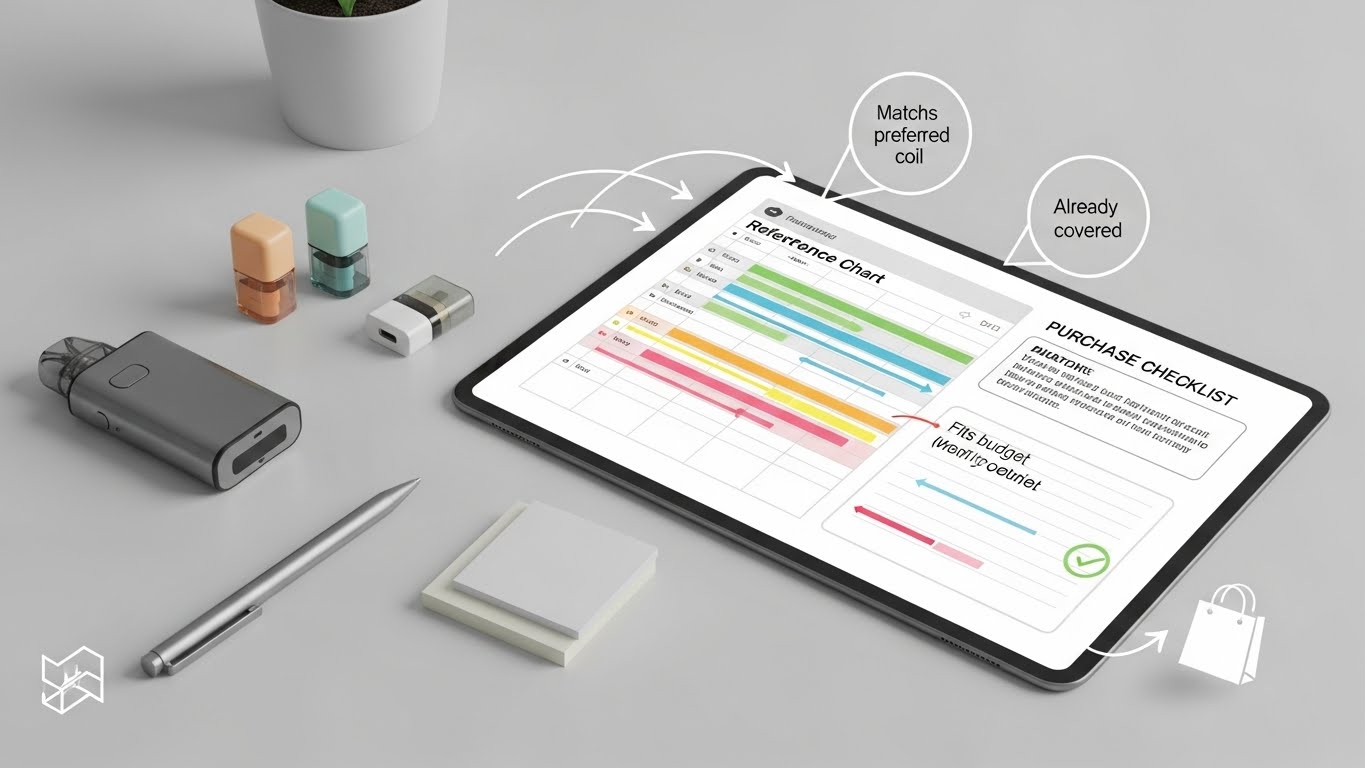
A purchase chart is a simple yet powerful tool that helps you organize your buying decisions. It can be a spreadsheet, a table, or even a handwritten list that outlines essential details about potential purchases. By categorizing your needs and wants, you can evaluate your options more effectively. For more info: https://e-liquids.com/collections/vape-juice
Benefits of Using a Purchase Chart
1. Clarity: A purchase chart provides a clear overview of what you need and want, which can help eliminate impulse buys.
2. Budget Management: Keeping track of estimated costs allows you to manage your budget better.
3. Comparison: You can easily compare different products and services, making the decision process simpler.
4. Prioritization: A chart helps you prioritize your purchases based on necessity, urgency, and budget. Click here: https://e-liquids.com/collections/vape-kits
How to Create Your Purchase Chart
Step 1: Identify Categories
Before you start filling in your chart, identify the categories that are most relevant to your purchasing needs. Common categories could include:
– Essential Needs: Items you must have, like groceries or bills.
– Wants: Items that would enhance your lifestyle but are not essential.
– Long-Term Investments: Bigger purchases that require more planning, like appliances or electronics.
Step 2: Gather Information
Once you have your categories set, gather information about the items you are considering. For each potential purchase, include:
– Product Name: The name of the item.
– Estimated Cost: An approximate price or range.
– Features: Key specifications or qualities that matter to you.
– Brand: The manufacturer or brand name.
– Where to Buy: Potential retailers or online platforms.
Step 3: Set Your Budget
Now that you have a list of items, it’s time to set a budget. Determine how much you can afford to spend on each category. Be realistic and consider any upcoming expenses that may affect your budget. This will help you make more informed choices down the line.
Step 4: Fill in Your Chart
Create your chart using a spreadsheet program, a word processor, or even pen and paper. Here’s a simple format to follow:
Category Product Name Estimated Cost Features Brand Where to Buy
———————————————————————————————————
Essential Needs Milk $3.00 Organic, 1 gallon Local Farm Grocery Store
Wants Smart TV $600.00 4K, 55 inches Samsung Best Buy, Amazon
Long-Term Investment Refrigerator $1200.00 Energy-efficient Whirlpool Home Depot
Step 5: Analyze Your Options
With your chart filled out, it’s time to analyze the data. Look at the features and prices of similar items. Ask yourself questions like:
– Which item offers the best value for money?
– Are there any sales or discounts available?
– Is it worth waiting for a season change (like Black Friday) to make a purchase?
This step will help you make decisions based on facts rather than emotions.
Tips for Using Your Purchase Chart Effectively
Review Regularly
Make it a habit to review your purchase chart regularly. Update it as you gather new information, and remove items that you no longer wish to buy. A well-maintained chart reflects your current needs and priorities.
Stick to Your Plan
Once you’ve made your decisions based on the chart, stick to your plan. Avoid the temptation of impulse purchases that might disrupt your budget or priorities. Remember, your chart is designed to empower you in your decision-making.
Keep Track of Purchases
After making a purchase, add a new column to your chart to track what you bought, the actual cost, and any notes about the purchase experience. This information can be invaluable for future buying decisions.
Conclusion
Using a purchase chart can significantly enhance your shopping experience. By systematically organizing your thoughts and options, you can make better decisions that align with your budget and lifestyle. Whether you are shopping for essentials or planning a big investment, a purchase chart serves as your roadmap to smarter spending. Start creating and using your chart today, and watch how it transforms your purchasing process.